
01
02
03
❮
❯
Transfer cart
Electric Transfer CartBrief Introduction: Powered by batteries (lead-acid or lithium batteries), it operates smoothly with extremely low noise. It is a core material handling device in modern automate
Contact Us
📞
+86-182-6652-0532
✉️
john@mounttai.net
📍
Room 2703, Building B, Tianlong International Building, Taishan District
Product Details
Electric Transfer Cart
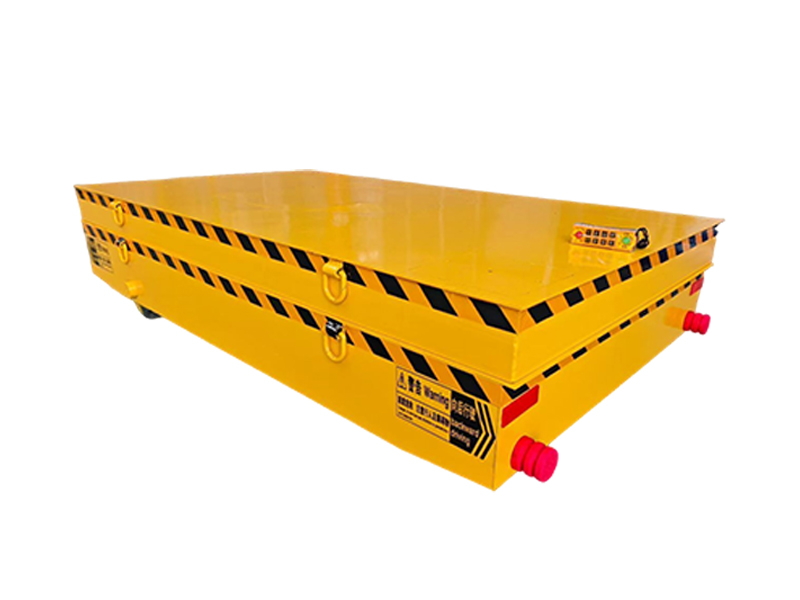
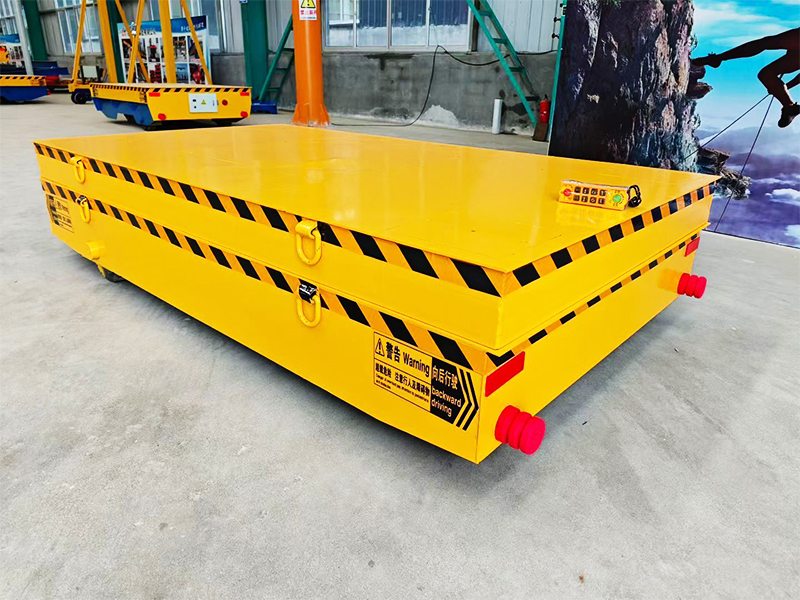
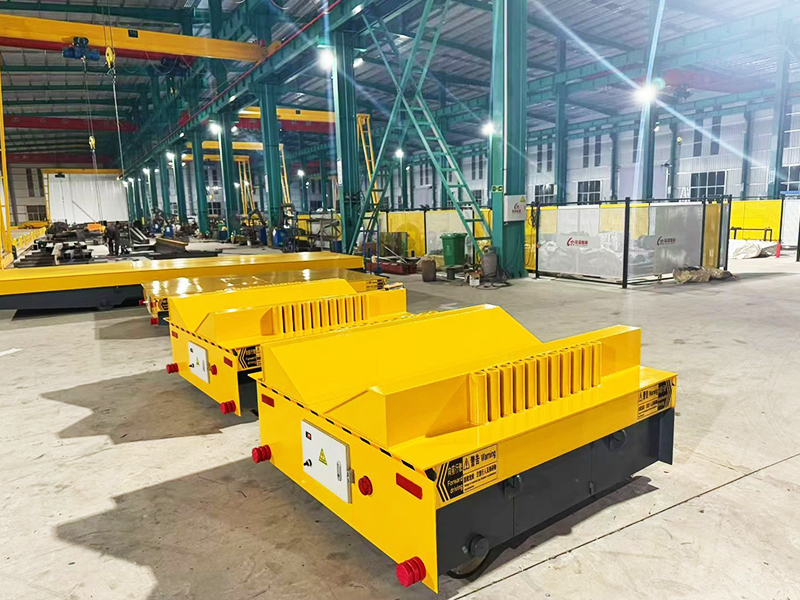
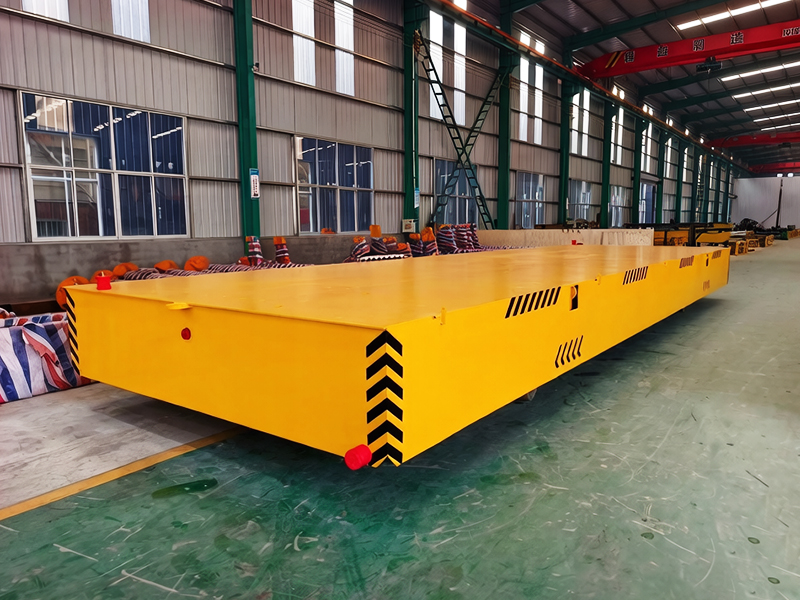
Brief Introduction: Powered by batteries (lead-acid or lithium batteries), it operates smoothly with extremely low noise. It is a core material handling device in modern automated factories and smart logistics.
Optimal Use Cases: Enclosed workshops/warehouses: Where air quality is critical and exhaust fumes are unacceptable.
Precision Manufacturing: Scenarios requiring frequent starts and stops and high positioning accuracy (e.g., mold handling, automotive assembly lines).
Short-distance, frequent operations: Fixed-route turnover within factory areas.
Automation Upgrade: Customized AGV (Automated Guided Vehicle).
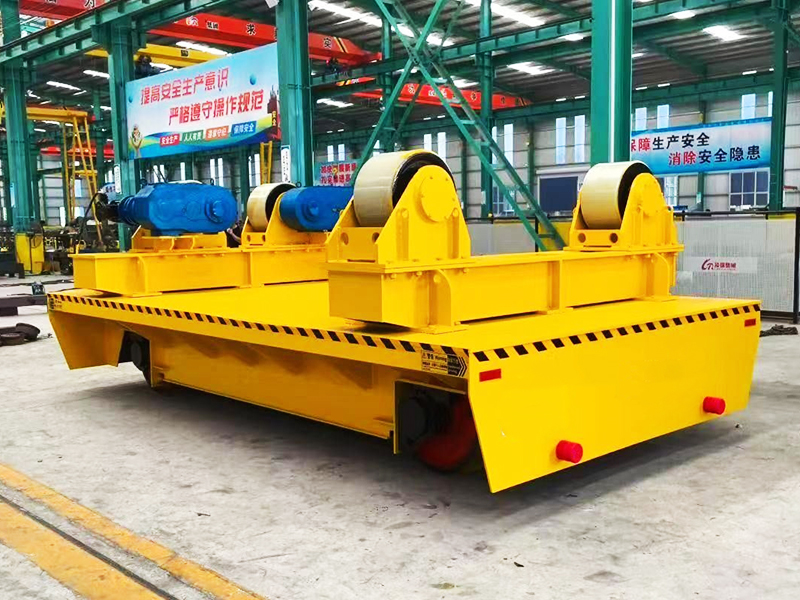
Diesel Transfer Cart
Brief Introduction: Powered by a diesel engine, it boasts high torque and does not rely on charging. It resembles a simplified "heavy-duty off-road transport vehicle."
Optimal Use Cases: Large Outdoor Construction Sites: Such as bridge prefabrication yards, ports, docks, or mining areas, where the ground is uneven and there are no charging facilities.
High-Intensity Continuous Operations: Requires 24/7 uninterrupted operation; there's no time to wait 6-8 hours for charging, just refuel and go.
Extreme Heavy Loads: When moving over 100 tons or even hundreds of tons of ultra-large structural components, the sustained burst of power from an internal combustion engine is superior.
Remote Areas: Overseas projects with inadequate infrastructure and unstable power supplies.
CONTACT US
Tel / What's App No.: +86 18266520532
Email: john@mountai.net
ADD: Room 2703, Building B, Tianlong International Building, Taishan District